Saving vs Investing: Why Savings Alone Cannot Beat Inflation
Saving and investing are both useful, but they do different jobs. Savings protect short-term needs. Investing is meant for long-term goals where money needs the chance to grow beyond rising costs.

Savings Protect Liquidity
Savings are useful for money you may need soon: monthly expenses, emergency cash, school fees due in the next few months, insurance premiums or short-term commitments. This money should be easy to access and should not be exposed to market volatility.
The problem starts when every long-term goal is kept only in idle cash. Prices of goods and services generally rise over time. If your money does not grow enough, the same rupee amount may buy less in the future.
Investing Targets Long-Term Growth
Investing means putting money into assets that may fluctuate but can support long-term goals. This may include securities, mutual funds or other regulated products, depending on suitability and risk appetite.
NSE's investor education guidance encourages investors to start early, invest regularly and think long term. SEBI's Investor Charter also reminds investors to understand risk, read documents, know charges and deal only with recognised or registered intermediaries.
A Simple Way To Divide Money
Use purpose before product selection:
- Keep emergency money in liquid savings.
- Keep near-term spending money away from market risk.
- Use goal-based investing for longer-term needs such as wealth creation, child education, home purchase or retirement.
- Review risk, charges, tax impact and liquidity before investing.
The goal is not to choose savings or investing. The goal is to give each rupee the right job.
Open Your Abhipra Account Online
If you are ready to start a regulated investment journey, begin with proper account setup: Open your Abhipra account online.
Action points:
- Keep PAN, identity proof, address proof, bank details and a recent photo ready.
- Visit Open your Abhipra account online.
- Verify that you are on the official eKYC page before entering details.
- Complete mobile, email and KYC verification carefully.
- Read account-opening, brokerage, charges and risk disclosure documents before submitting.
- Save confirmation details and client ID for your records.
- Never share passwords, OTPs, login IDs, DIS details or account credentials with anyone.
Mistakes To Avoid
- Keeping all long-term money only in a bank balance.
- Investing emergency funds in volatile products.
- Chasing returns without understanding risk.
- Ignoring costs, taxes and lock-in conditions.
- Investing through unregistered or unknown channels.
- Not reviewing account statements and transaction alerts.
Investor Checklist
Before moving from saving to investing, ask:
- Is this money needed within the next few months?
- What goal is this money meant for?
- Can I stay invested through market ups and downs?
- Do I understand the product, risk and charges?
- Is the intermediary regulated?
- Have I read the documents and disclosures?
- Have I kept account credentials secure?
Roadmap At A Glance

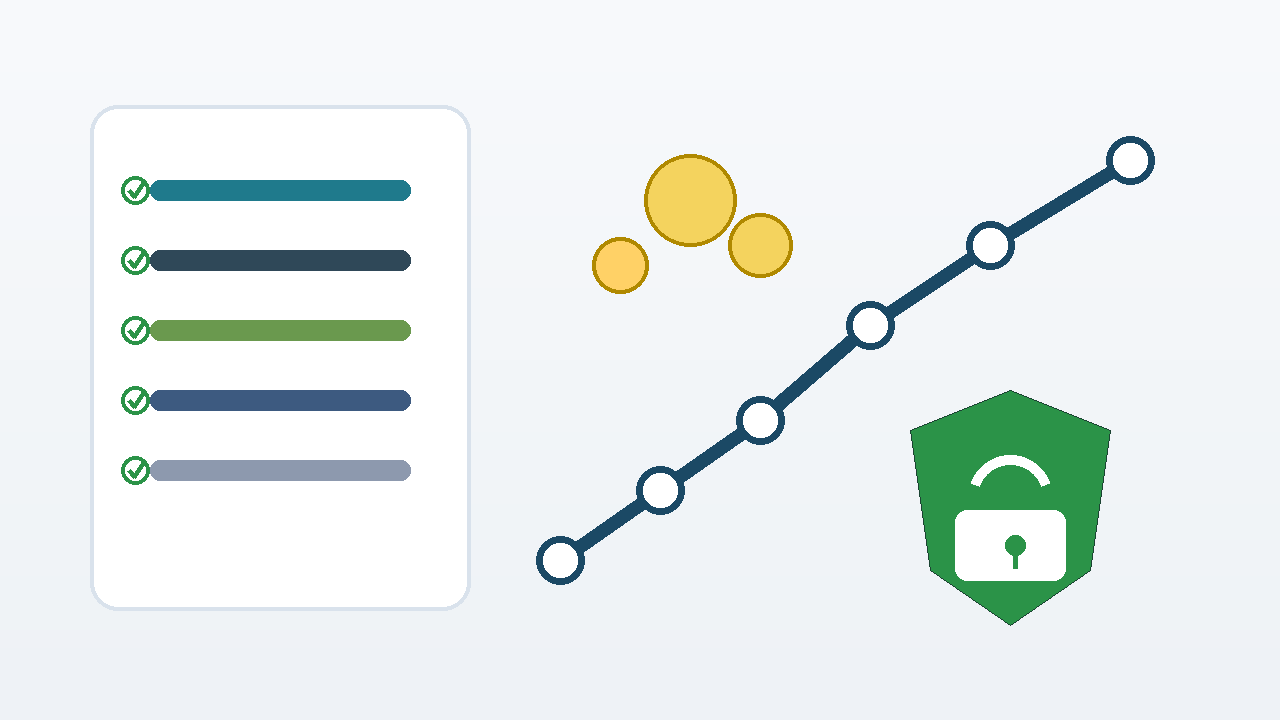
The visual can be read as a simple money-allocation flow:
- Savings provide liquidity for emergency and near-term needs.
- Investing is used for long-term goals where growth matters.
- Time horizon, risk tolerance and product suitability should guide the choice.
- Documents, charges, statements and account security must be reviewed.
- Savings and investing work together; one does not replace the other.
Final Thought
Savings give stability. Investing gives long-term goals a chance to grow. A disciplined investor uses both: savings for safety and liquidity, investing for future needs after understanding risk and suitability.
Reviewed by Abhipra Research / Compliance Team.
Source Links
Disclaimer
This article is for educational and informational purposes only. It should not be considered investment advice, trading advice, tax advice or insurance advice. Investments in securities market are subject to market risks. Please read all related documents carefully before investing. Past performance is not indicative of future returns. Please consult a qualified financial advisor, tax advisor or insurance advisor before making any financial decision.